
Steel String Acoustic Guitarmaking Class
The class, at a glance:
Tuition Cost: $3,000 ($300 deposit to reserve your spot)
Additional Cost of Materials: Approx. $500 – $600
Class: 18 sessions, Saturdays 12:30 – 5:30 PM
Location: Huntington Beach, CA
Start Date: Late January/early February; contact instructor for details
Instructor: Larry McCutcheon
lpmclpmc@verizon.net
Introduction
If you want to learn how to make a flat top acoustic guitar, you’ve come to the right place.
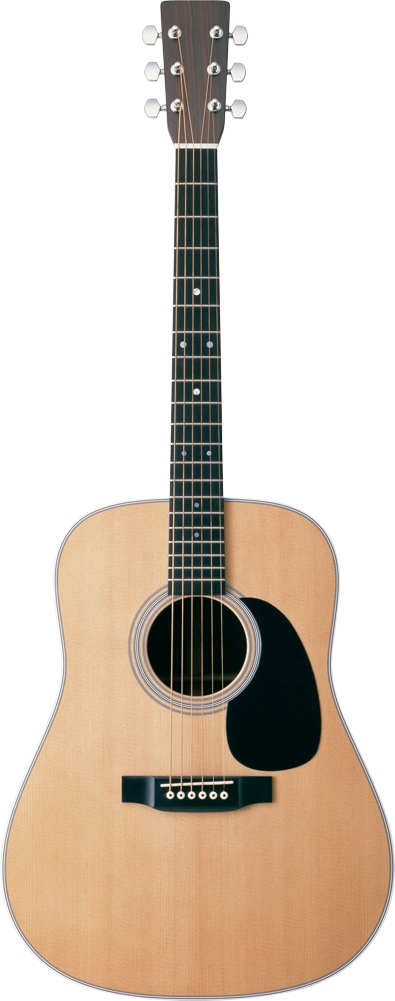
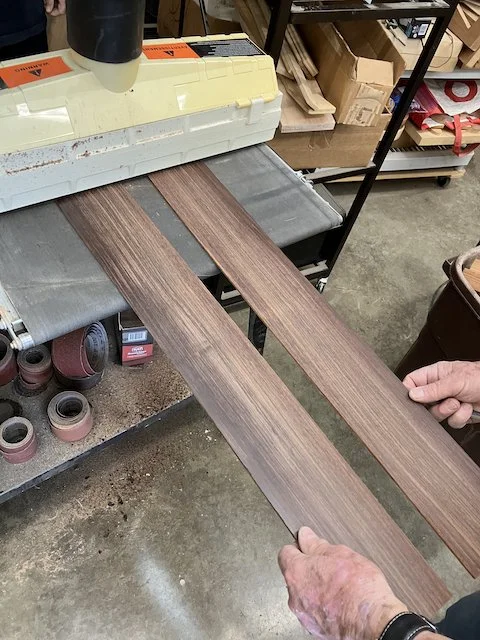
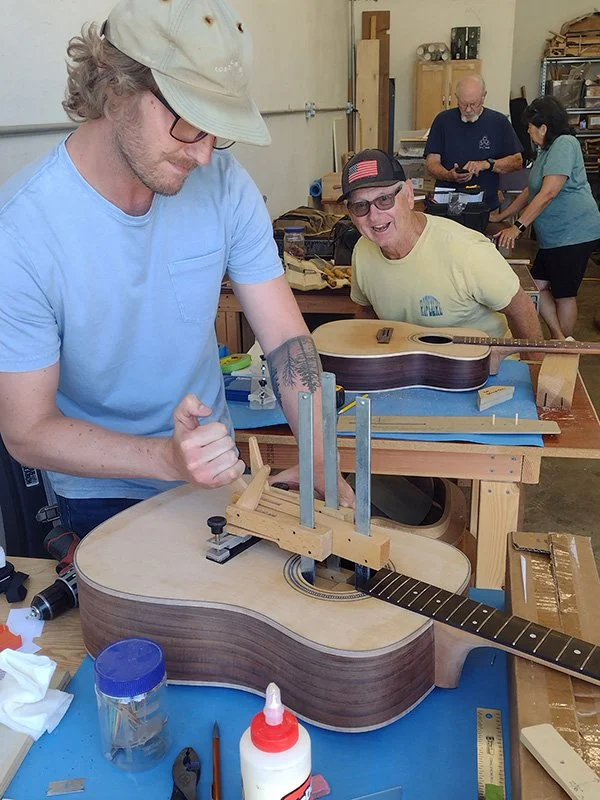
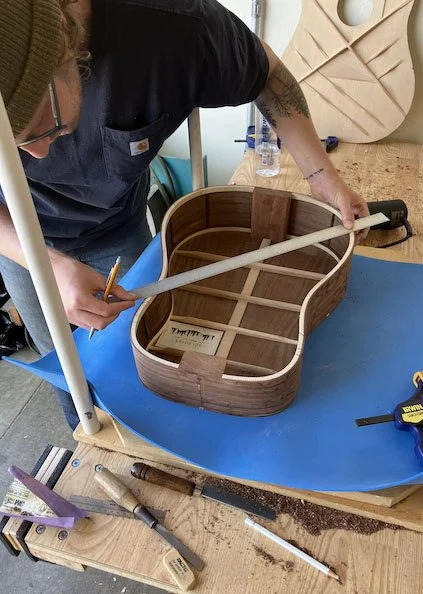
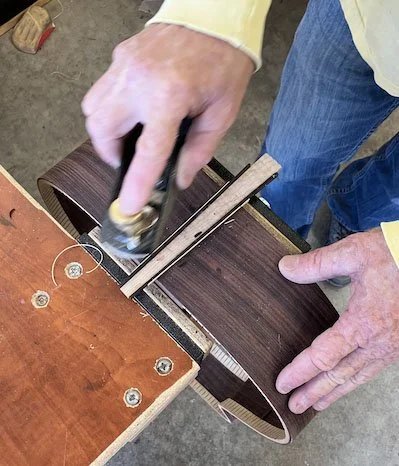
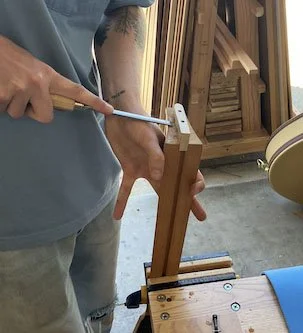
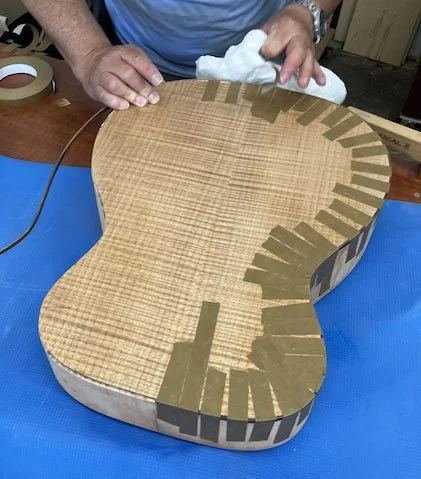
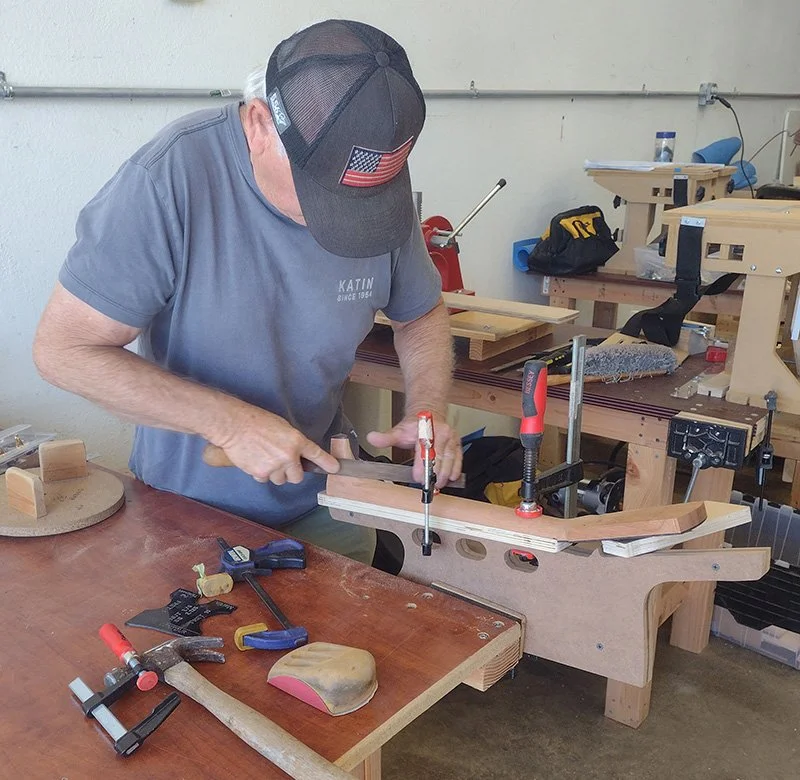
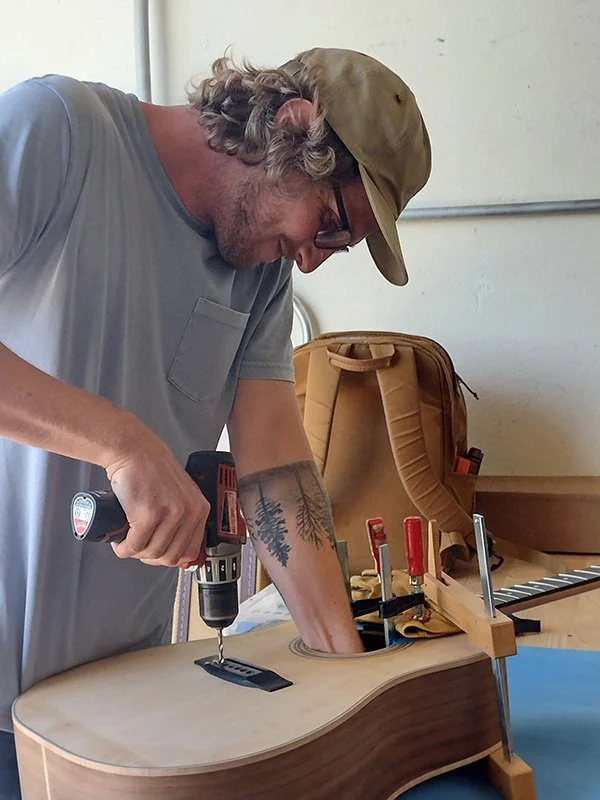
This is not a kit assembly class; this is a make-it-from-scratch class. In this class each student will mill, drill, bend, plane, carve, route, saw, sand and glue in order to turn tonewood, bracewood, bindings, neck blank and purfling into either a Martin-style Dreadnought or OM (Orchestra Model), 14-fret, long scale acoustic guitar in the white (without finish).
Don’t be intimidated. Patience, a good eye and steady hand are more important than woodworking experience. You will learn guitarmaking skills while building a guitar. Even as first-time instrument builders, you will make a very respectable guitar.
The goal of the class is to teach you how to make a guitar by making an actual guitar. But for one thing – safety – class is fairly relaxed. Since the teachers are ardent guitarmakers themselves, “instruction” is more aptly put as “sharing what we know”; that is, not only what or how to do a thing, but also what to avoid.
A significant advantage of a live class is that there is someone to show you how to recover from a mishap, should one occur. “It’s wood. We can fix it,” is a class axiom.
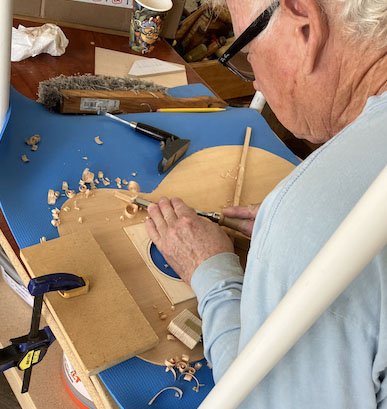
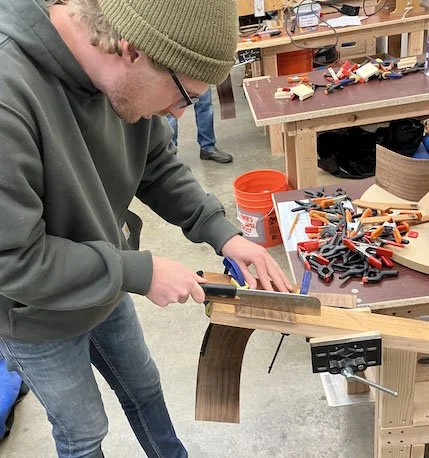
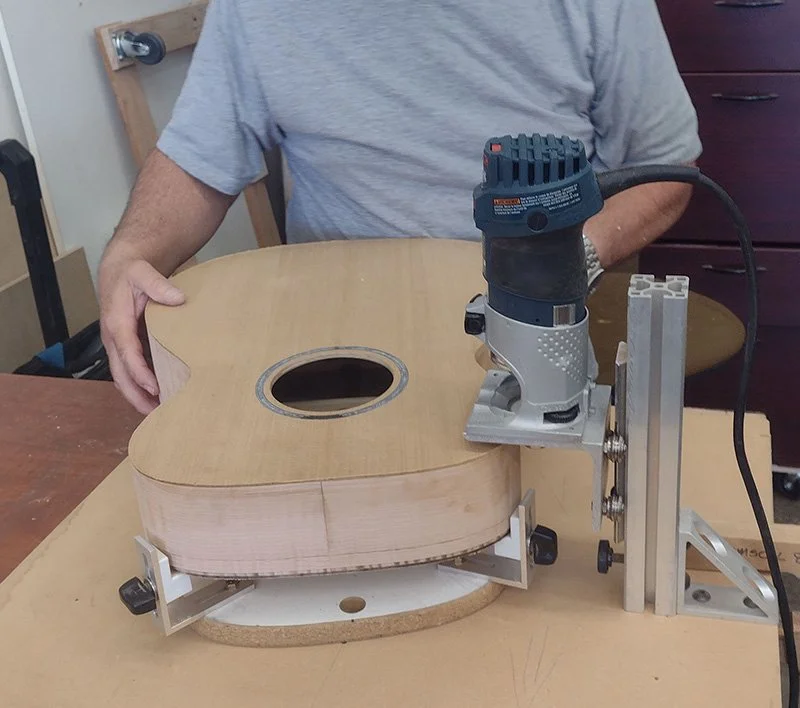
A typical class begins with instruction on the building process du jour. Following that is a demonstration of that step, an opportunity to see – and ask questions about – the process just discussed. Then comes shop time; with guidance and coaching as necessary, it is time to put the day’s lesson into action.
Our process in a nutshell is to build the body first. Then the neck. Next, join the two together with a bolt-through floating tenon. Finally, “everything else”; bridge, saddle, nut, tuners and setup.
A guiding principle of this class is to prepare students to make their “next guitar.” Accordingly, this class provides more than just a recipe for “How To Make a Guitar,” it also provides the “Why” that informs the system that we use. In furtherance of the “next guitar” principle, we try to favor budget-friendly building methods suitable for a small/simple shop.
Details
Tuition for the 2027 class is $3,000. A deposit of $300 reserves a spot in the class. The remainder is payable in three installments of $900 each. RESERVE YOUR SPOT NOW.
Materials are the responsibility of the student. The BILL OF MATERIALS includes both items for the build and sources from which to get them.
Bill of MaterialsThe following list contains some tools / consumables that are necessary, and some that are convenient to have. This list also includes sources.
Short List of Small ToolsThere will be homework. It takes 100 to 120 hours, including instruction, for beginners to make a nice, but relatively unadorned guitar. Since we have 90 hours of scheduled instruction and shop time, some work outside class time will be necessary in order to complete the class on schedule. To accommodate this additional time and to help out those without room or tools to proceed, we have “Office Hours,” the name we are using for open shop / tool use time. For the term of the class, the shop will be available from 10:00 to 12.30 when class begins. But for safety and instruction on the proper use of tools, this in not class instruction time.
“In the white” is a term-of-art that means without finish. As there are so many finish options and constraints, we will only discuss finishes as part of this class. Finishing—the actual applying of finish—is beyond the scope of this course. That being said, options, pros & cons, suggestions and tips are part of that discussion. We want you to have a completed, finished instrument.
If you have any questions, drop me a line.
—Larry

Meet the Instructor:
Larry McCutcheon
Larry has been building guitars and ukuleles off-and-on for over 20 years. He studied guitar-building technique with Eric Nichols, SIMSCal’s former guitarmaking instructor and Director of Guitarmaking Operations. He has taught guitarmaking classes both “from a kit” and “from scratch,” and approaches the subject with an easy-going attitude. As he puts it, “Teaching is just sharing what you know.” Larry is a founding member of SIMSCal, and has served in various leadership roles within the club since 2004.
Photos from Class
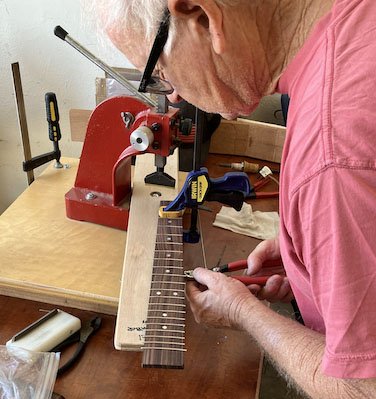
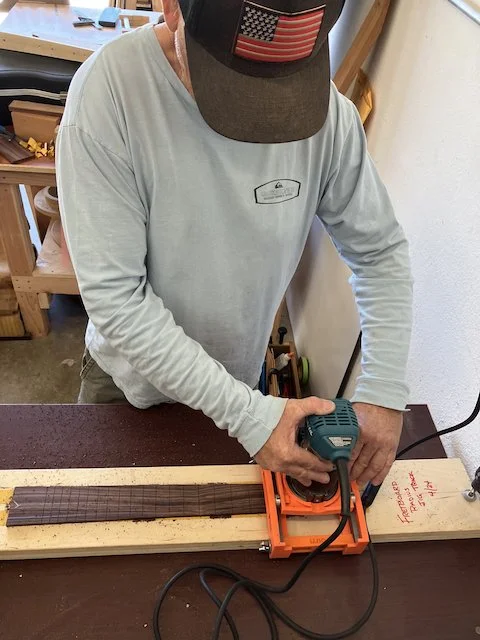
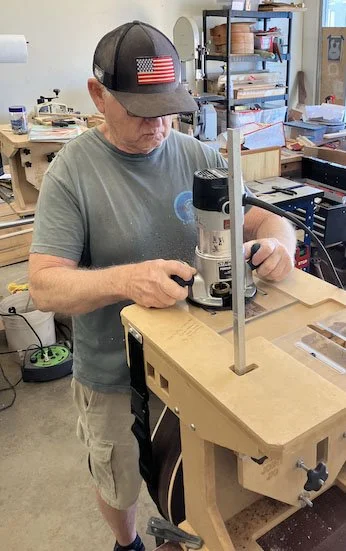
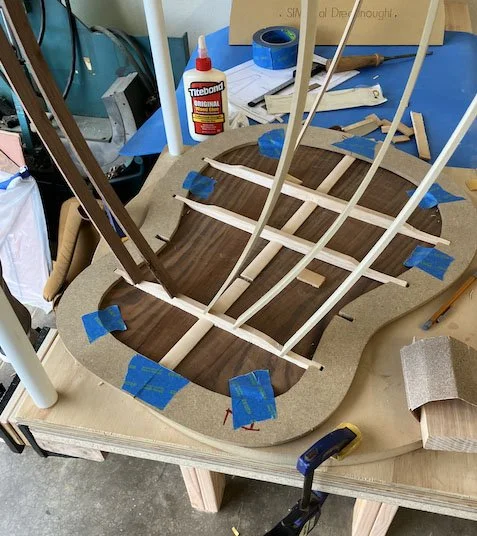
Reviews & Testimonials
A couple months after completing his dreadnought, Jake, a woodworking newbie, sent us this about his hand-made dreadnought:
“I think it sounds awesome! Seems to be opening up and sounds better than any D-18 or J-45 I’ve picked up at Guitar Center.” – Jake
About the class, he said:
“To anyone considering taking this course, this is the course you want to take if you’re interested in building acoustic guitars. These are the passionate people you want to be building alongside!” – Jake
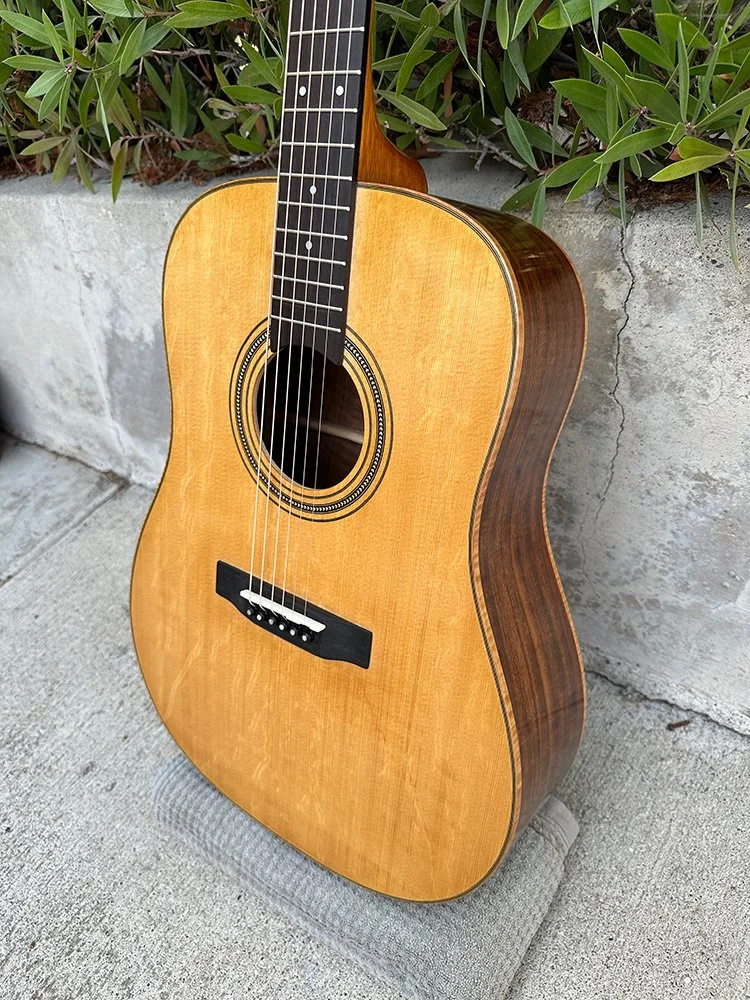
Richard, with a wide range of construction skills, had this to say:
“Larry and Fred are a very able and competent duo. When it comes to teaching this class, their combined knowledge is outstanding. If you have basic carpentry skills and the will to create your own acoustic guitar, this class is for you. The end result was a beautiful looking, great sounding legacy guitar. Thanks again for your patience, experience and professionalism.” – Richard
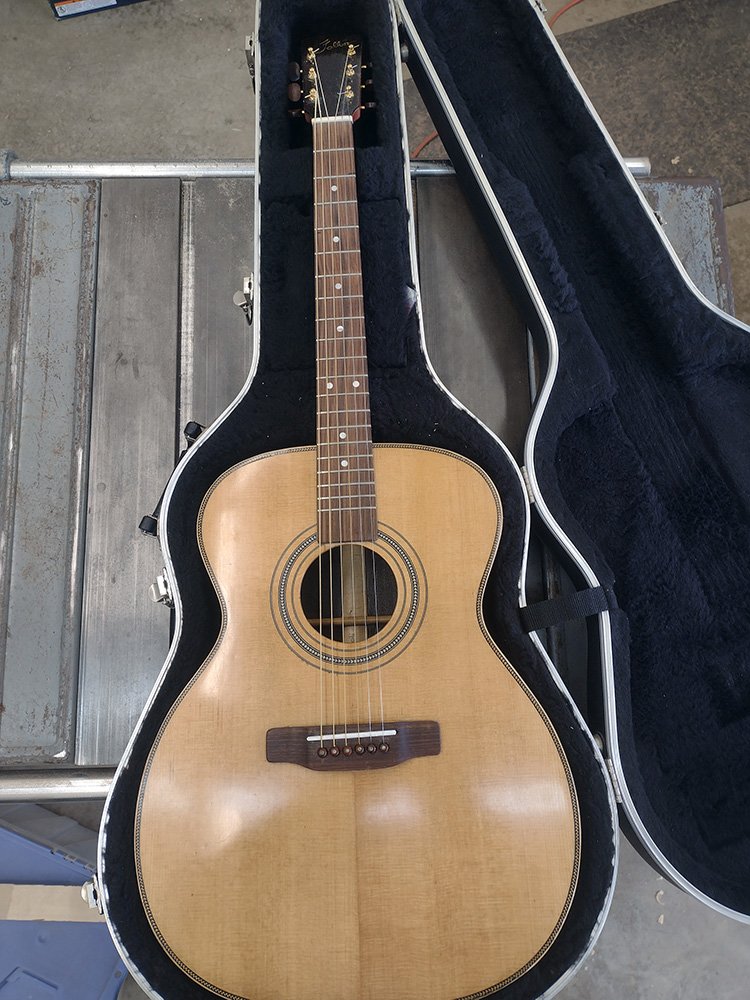
Russ, a student builder and hobbyist making his second steel string guitar, offered this review:
“This class is a good beginning for anyone interested in guitar building methods, techniques and tool usage. The two instructors, Larry and Fred, were always ready with helpful suggestions as the process of building was underway.” – Russ
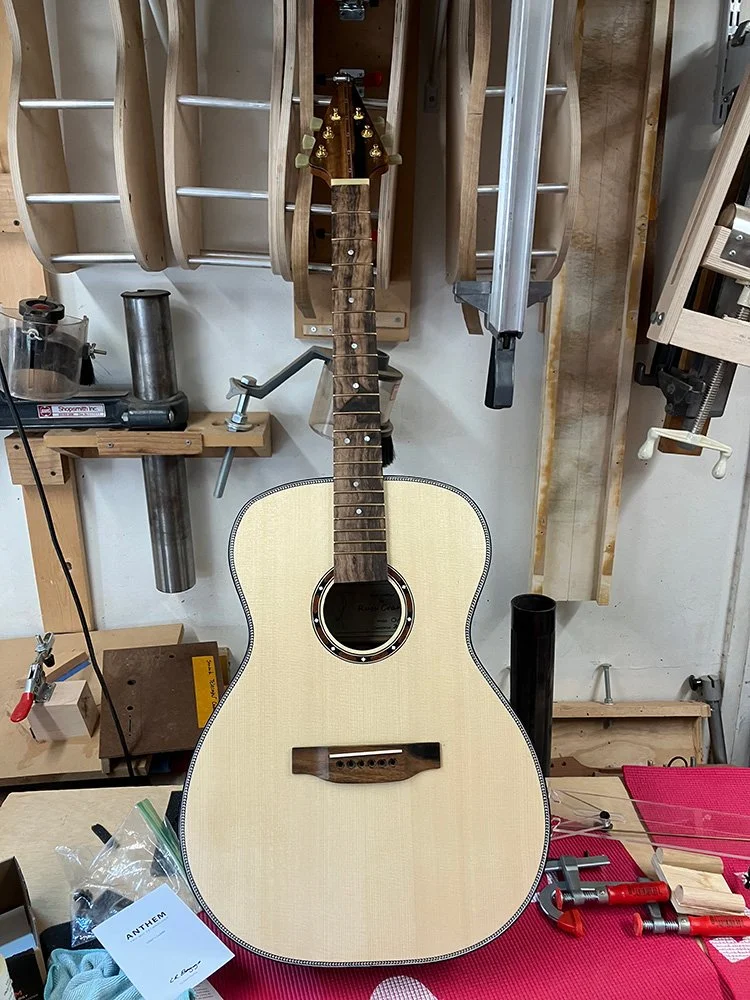
Class Documents
Read and sign the following forms. Return to the instructor on the first day of class.